


Drops: Language Learning Games
4.313.77K Reviews
App Specs
- Version
- 39.18
- Updated On
- License
- Free
- Downloads
- 10,000,000+
- Developer
- Drops Languages
- Categories
- Education
- Platform
- Android, iOS
Screenshots
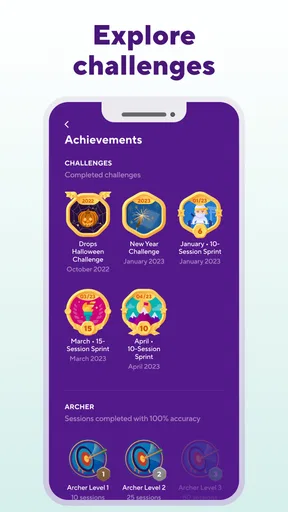
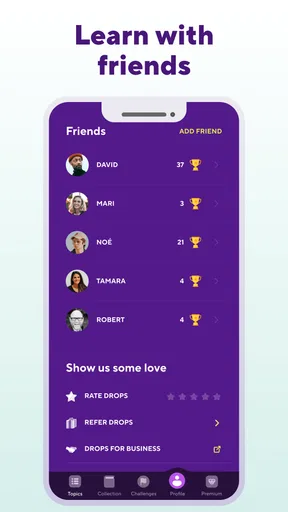
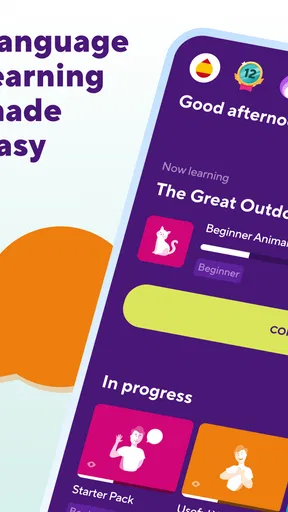
 Analysis by AppCompare
When I want to fit language practice into an ordinary day, I look for something I can start quickly and return to without turning it into a major project. Drops: Language Learning Games takes that light-touch approach: it makes vocabulary practice visual and game-like, rather than asking me to begin with a textbook-style lesson. That can be a useful nudge when my motivation is low, though it is important to know what kind of learning it does—and does not—support.
Quick sessions, realistic expectations
Drops is an education app from Drops Languages, and its short practice format is best understood as a way to build a regular habit, not a shortcut to fluency. I find that distinction helpful. A few minutes can be enough to revisit words and keep a language present in my mind, but it is not the same as spending time listening to natural speech, forming sentences, or having a conversation.
In practical terms, the quick format suits small gaps in a routine: a quiet moment before leaving home, a short break between tasks, or a few minutes while waiting for a drink. I would treat each session as one small piece of study rather than a complete lesson. If I have more time, I can follow it with reading or listening practice, where words appear in context instead of as isolated vocabulary.
What happens when practice gets busy?
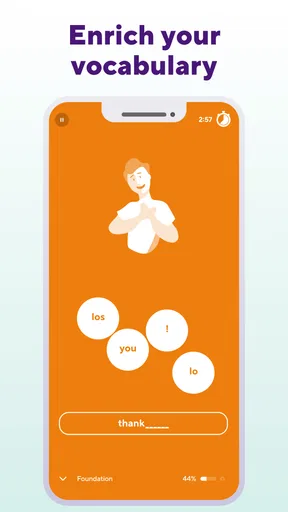
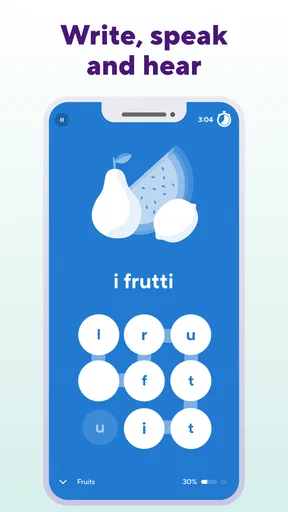
The game-like activities give vocabulary review a clear, immediate task. Matching a word to an image or spelling it out asks for more than simply glancing over a list, and switching between kinds of prompts can help a short session feel active. The trade-off is that activity and progress are not automatically the same thing: a lively exercise may feel rewarding even when I still struggle to recall a word later without a picture or prompt.
For that reason, I get more out of a session when I pause on words that feel uncertain instead of rushing to complete every activity. A useful personal check is to ask whether I can remember the word after the image or answer choices are gone. If I cannot, that is a sign to revisit it or encounter it in a sentence elsewhere. This small habit turns the app from a quick distraction into a more deliberate vocabulary supplement.
Reliability and the role it plays
I would choose Drops when I want a low-friction way to start practicing, especially if a long lesson is likely to make me put language study off altogether. Its narrow focus also makes it easy to understand what I am opening the app to do: work with vocabulary through visual, short-form activities. That clarity is a strength, but it also sets a limit. Someone who needs a structured path through grammar, extended listening, or spoken interaction will need other learning materials alongside it.
My broader test for reliability is not just whether an app opens; it is whether I can build a sustainable routine around what it offers. A short activity can help with consistency, but relying on one format alone risks leaving gaps. I would combine vocabulary sessions with a separate source of audio and real-world language, then use Drops to reinforce words I want to recognize more readily.
Worth Reading Before You Choose

EA SPORTS FC Mobile 26 Is a Bigger Football Game, but It Takes Time

Flipboard Shows What News Apps Must Do Beyond the Feed

Switching to Android Auto Means Rethinking Your Driving Routine

Google Calendar Makes a Crowded Week Easier to Manage

Ludo King Makes the Most of the Minutes Between Plans

Baby Panda World Brings Quick Play to Modern Phones, but Its Game Library Feels Busy
Choosing a language and a learning style
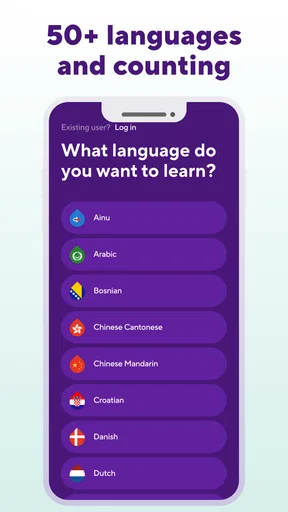
The app supports a range of language choices, making it appealing if curiosity is part of the reason you want to study. Still, I would pick one language to focus on first rather than treating the variety as an invitation to jump between several. Switching can be fun, but it makes it harder to establish a steady learning rhythm and see whether the practice is helping with a specific goal.
It is also worth thinking about how you prefer to learn. The emphasis on images can be engaging if visual cues help you remember new words. If you learn best by hearing pronunciation, studying sentence structure, or speaking aloud, this approach may feel incomplete. In that case, I would not necessarily skip it; I would simply avoid making it the only tool in the routine.
Device fit and everyday use
The app is free to download, with optional in-app purchases ranging from $0.99 to $269.99 per item. I would start by checking how the free experience fits my needs before considering a purchase, and I would review the purchase details carefully before confirming anything. It is listed for devices running Android 8.0 or later, so the operating-system requirement is worth checking if you are setting it up on an older phone or tablet.
Drops has an Everyone content rating. That makes it broadly suitable from a content perspective, although a younger learner’s experience still depends on whether short, visual vocabulary practice matches their learning needs and attention span. It has an average rating of 4.3 from around 313,000 ratings, with roughly 14,000 written reviews and over 10 million installs. Those figures suggest that many people have tried it, but they cannot tell me whether its specific approach will suit an individual learner.
Who will get the most from it?
I would recommend it most to a beginner who wants to make vocabulary practice feel approachable, or to a returning learner who needs a small daily prompt to get back into a language. It can also suit someone who has a clear practical goal—recognizing common words before a trip, for example—provided they add listening and conversation practice rather than expecting vocabulary drills to cover everything.
It is less suited to a learner preparing for a formal exam, someone who needs detailed grammar explanations, or anyone whose main priority is speaking comfortably with other people. Those goals call for structured lessons, feedback, and practice producing language. A course, tutor, conversation group, or audio-focused resource may be a better central choice; Drops can still play a supporting role if vocabulary review is a weak spot.
One everyday routine I would try is to use a short session during a predictable pause, then later pick a few remembered words and look for them in a sentence, a short article, or spoken material. That second step matters: it checks whether the vocabulary transfers beyond the app’s prompts. If I keep forgetting particular terms, I can make those the focus of the next review rather than treating every word as equally secure.
What’s the Buzz About?
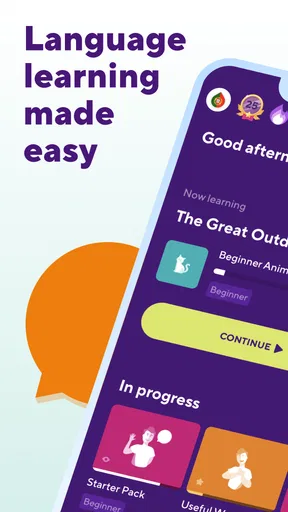
So, Drops: Language Learning Games is all about making language learning fun and visual. The app focuses on vocabulary and phrases through quick, five-minute sessions. Yep, just five minutes a day. It sounds too good to be true, but those short bursts are designed to keep you engaged without overwhelming your brain. Plus, there’s no pressure to sit down for an hour—just a quick, daily dip.
Visual Learning at Its Best
The first thing you’ll notice is the app’s stunning interface. It’s all about visuals here! Words are tied to vibrant illustrations, which makes them easier to remember. For someone like me who’s a visual learner, this was a game-changer. Instead of rote memorization, you’re associating words with images—a much more natural way to learn.
Game On!
Now, let’s talk about the gaming aspect. Drops uses a series of mini-games to reinforce learning. From matching words to their meanings to spelling challenges, each activity is designed to keep you on your toes. It’s like playing a game, except you’re picking up a new language along the way. The gamified approach keeps things light and breezy, which is exactly what you need when diving into something new.
Language Buffet
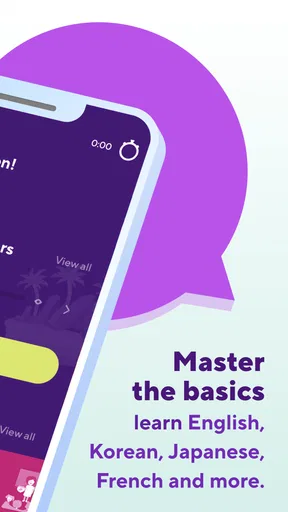
One of the coolest features is the sheer variety of languages you can explore. Whether you’re interested in Korean, Spanish, or even Hawaiian, Drops has you covered. There are even less common languages like Icelandic and Esperanto. It’s like having a little language buffet at your fingertips.
Quick and Convenient
Life’s busy, right? That’s why the app’s five-minute sessions are a huge plus. You can sneak in a quick session while waiting for your coffee or during a short break. It’s the perfect way to incorporate language learning into your daily routine without it feeling like a chore.
Is It All Rainbows?
Of course, no app is perfect. While Drops is fantastic for vocabulary, it doesn’t dive deep into grammar or conversation skills. If you’re looking for a comprehensive language program, you might need to pair Drops with other resources. But for vocabulary building? It’s top-notch.
The Verdict
All in all, Drops: Language Learning Games is a delightful way to dip your toes into a new language. Its visual and gamified approach makes learning feel more like play rather than work. While it won’t replace a full language course, it’s an excellent tool for boosting your vocabulary and keeping your language skills sharp. So, if you’re ready to start your language journey, why not give Drops a try? You might just find yourself hooked!
Pros
- Engaging visual learning method.
- Wide variety of languages offered.
- Short
- manageable learning sessions.
- Interactive games enhance retention.
- User-friendly and intuitive design.
Cons
- Limited free content access.
- Requires internet connection.
- Ads can be disruptive.
- No speaking practice included.
- Subscription can be pricey.
FAQs for Drops: Language Learning Games
What languages can I learn with Drops?
Drops offers a diverse selection of over 40 languages, including popular choices like Spanish, French, German, and Japanese, as well as less common languages such as Icelandic and Maori. This variety ensures that users can find a language that suits their interests and goals, whether for travel, business, or personal enrichment.
How does Drops make language learning engaging?
Drops uses a game-based approach to language learning, incorporating visually engaging graphics and interactive exercises. The app focuses on quick, five-minute learning sessions that keep users engaged without overwhelming them. This bite-sized approach helps maintain daily practice, making language learning fun and effective over time.
Is Drops suitable for beginners?
Yes, Drops is designed to cater to beginners and offers a user-friendly interface that starts with basic vocabulary and gradually progresses to more complex words and phrases. The app's intuitive design and engaging activities make it accessible to anyone, regardless of prior language knowledge.
Are there any in-app purchases in Drops?
While Drops offers a free version with access to a variety of languages and lessons, it also includes in-app purchases for additional features. Users can opt for a premium subscription, which removes ads, provides unlimited learning time, and unlocks more advanced content, enhancing the overall learning experience.
Can I use Drops offline?
Drops primarily requires an internet connection to access its full range of features and content. However, premium subscribers have the option to download lessons for offline use. This feature is particularly useful for users who want to practice their language skills without relying on a constant internet connection.


